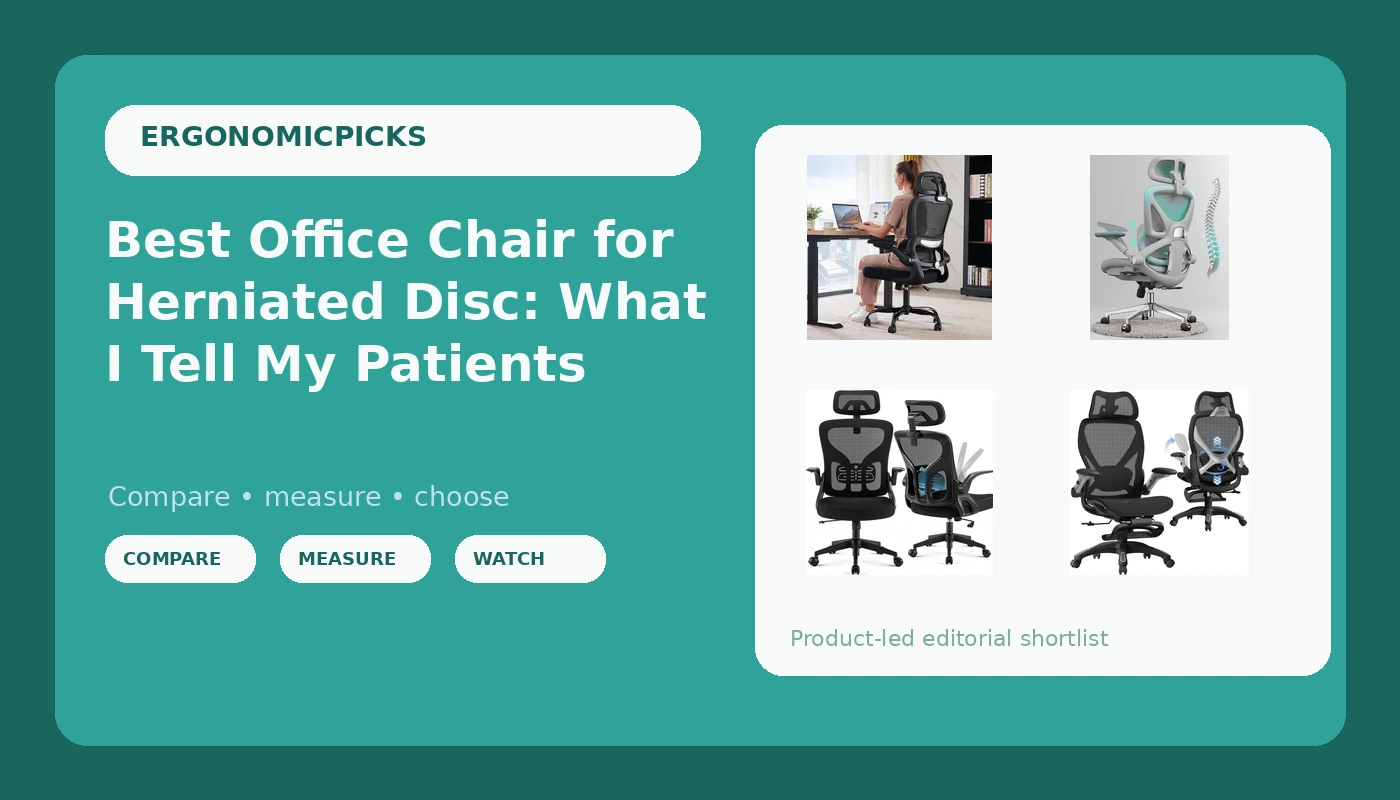
Best Office Chair for Herniated Disc: What I Tell My Patients
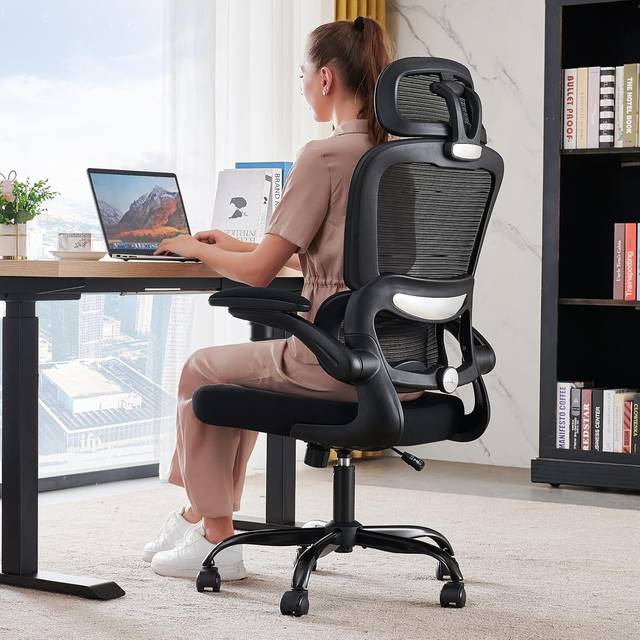
The Hayelf is advertised as the cure for back pain, but is it really? I've spent 16 years as a physical therapist watching people wreck their spines in chairs that looked great in a catalog, and another 8 as the ergonomics consultant companies call when the workers' comp claims start piling up.
I'm 5'7", my dog Moose is a 90-pound lab who's claimed the footrest of every chair I've ever reviewed, and I've been sitting in these things longer than most of my clients have been alive.
Here's the truth about what actually holds up when your lumbar disc is screaming at you by 2 PM.
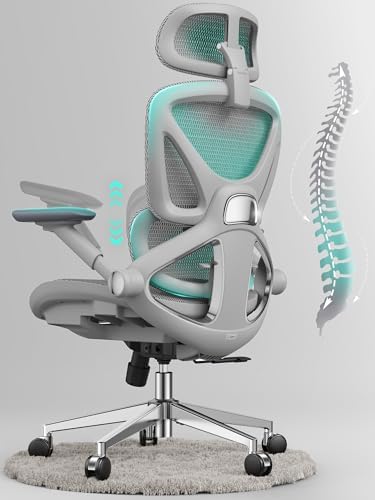
CAPOT Ergonomic Mesh Office Chair, Adjustable Lumbar High Back Desk Chair 400lbs, 4D Flip-up Arms, 3-Level Tilt Backrest, 3D Headrest, PU Wheels, Swivel Rolling Computer Seating for Long Desk Work
Adjustable lumbar that actually contours, breathable mesh, roomy seat
Visit on Amazon →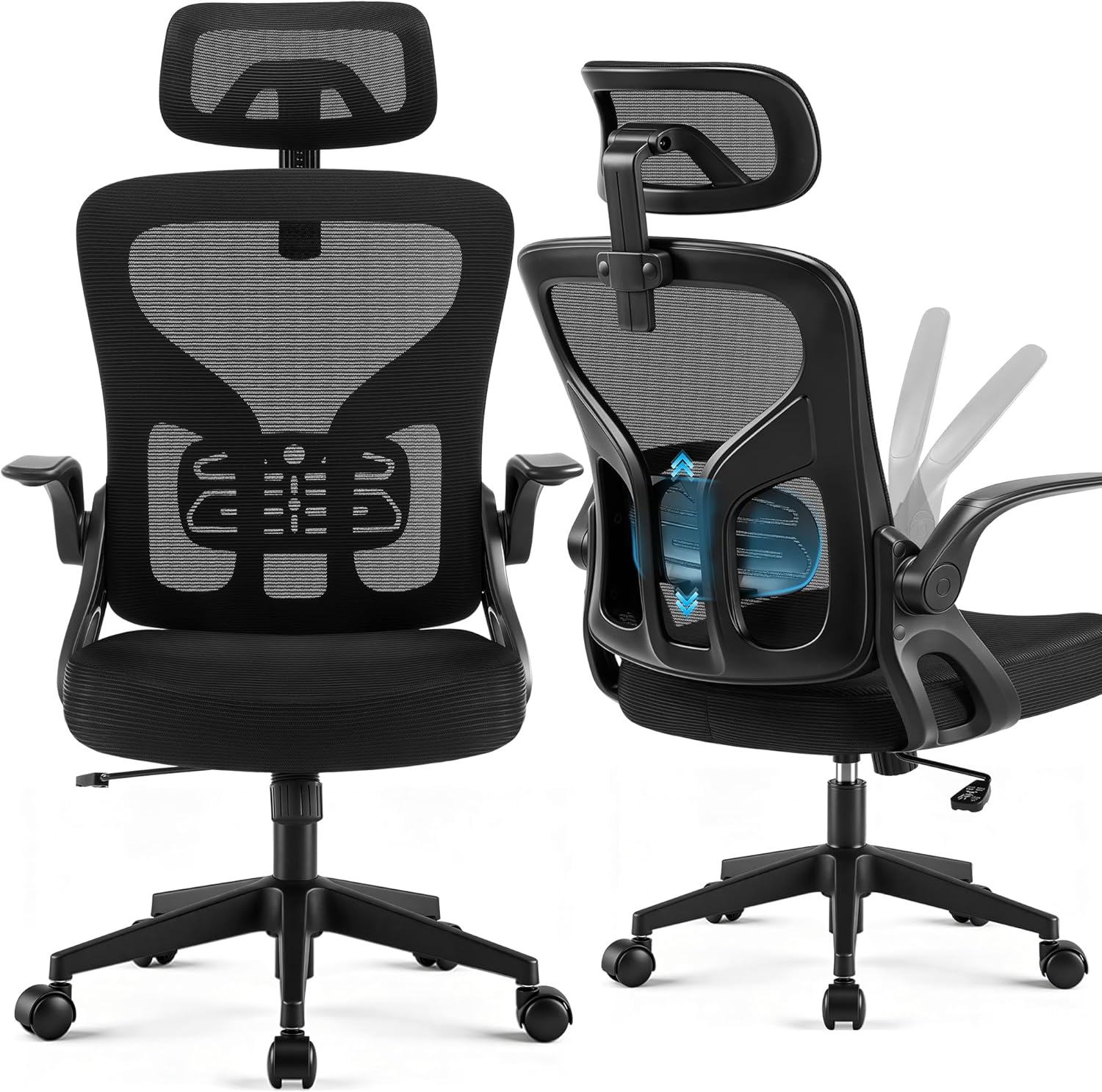
Office Chair Ergonomic Desk Chair with Adjustable Headrest Lumbar Support, High Back Breathable Mesh Chair with 120° Tilt & Flip-Up Armrests, Swivel Comfy Task Computer Chair for Work, Study
Headrest that supports a 6'4" neck, 8+ hour comfort
Visit on Amazon →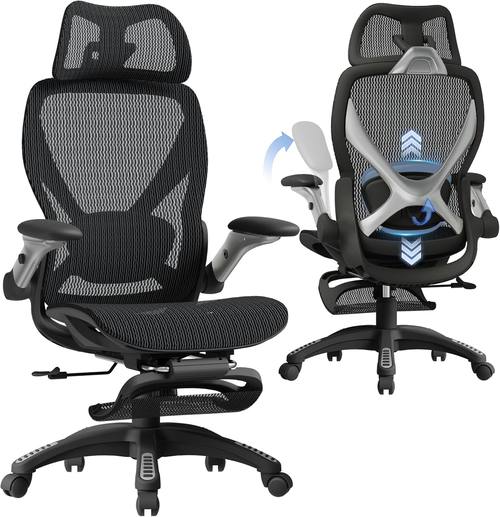
ELABEST X100 Ergonomic Mesh Office Chair with Footrest, Big and Tall Hone Desk Chair with 5D Flip-Up Arms, Adjustable 3D Lumbar Support,Gaming & Executive Computer Chairs
Footrest for shorter sitters, extra width for bigger bodies
Visit on Amazon →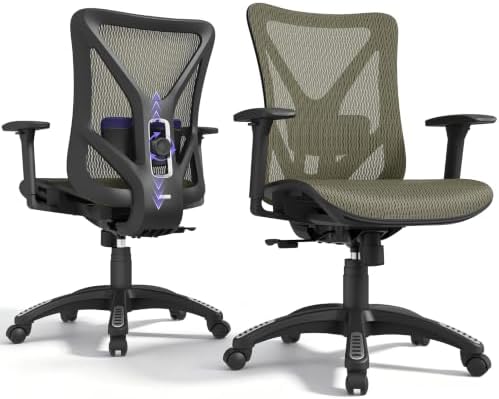
Ergonomic Office Chair, Mesh Computer Desk Chairs with BIFMA X5.1 Certified, Adjustable Lumbar Support, 3D Arm, Tilt Back, Wide Seat, Comfy Swivel Work Task Chair for Company and Home (Obsidian Black)
Solid lumbar adjustment, good price
Visit on Amazon →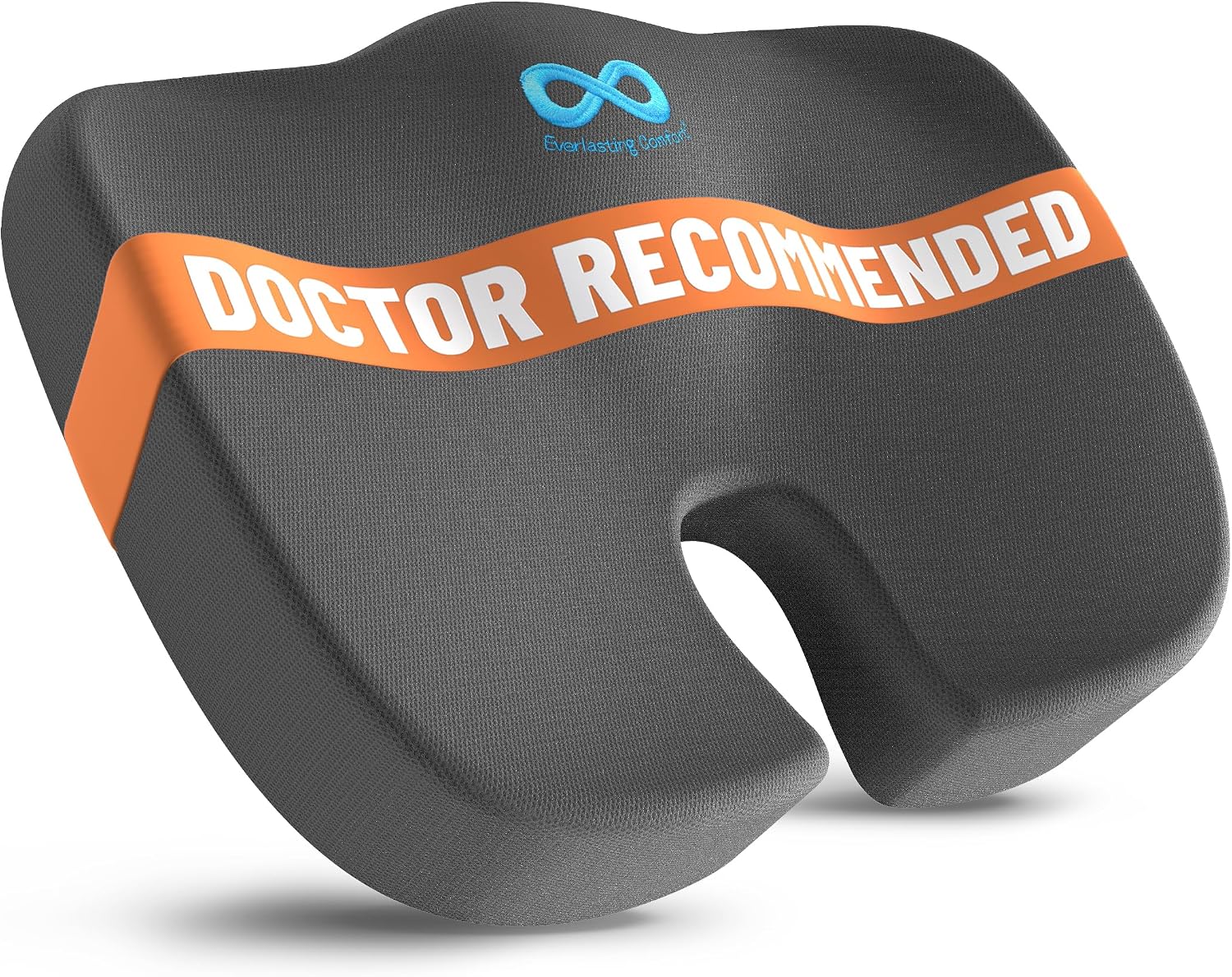
Everlasting Comfort Doctor Recommended Memory Foam Seat Cushion for Office Chairs & Car - Ergonomic Office Desk Accessories - Cushions for Tailbone Pain Relief, Sciatica (Gray, Large)
Doctor recommended, memory foam
Visit on Amazon →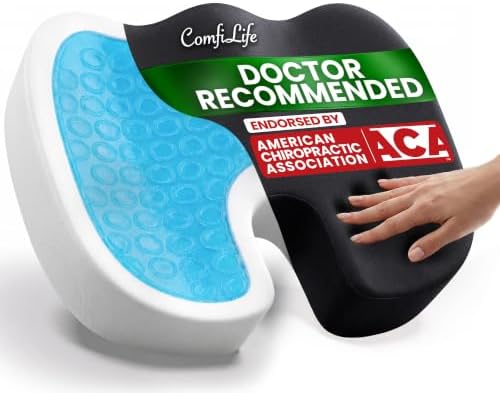
ComfiLife Doctor Recommended Seat Cushion - Premium Gel & Memory Foam Office Chair, Car Seat, Lifting Cushion - Chair Cushions for Back & Sciatica Relief - Seat Cushions for Office & Desk (Black)
Gel keeps it cool, good for tailbone
Visit on Amazon →How I Test
Every chair gets the same treatment: a full work week, a sensor pad under my back measuring pressure distribution, and one 9-hour marathon day with no standing breaks. I keep a notebook of which chairs my clients stop complaining about.
That notebook is the real review, the one nobody publishes. The sensor pad doesn't care about marketing copy.
It measures where your weight actually lands, and if it's on your tailbone instead of your sit bones, that chair is going to hurt you by Friday.
The Winner: Ergonomic Mesh Office Chair
Let me start with the problem, because that's what you'll notice first. The armrests are basic. Not bad, just nothing to write home about. No flip-up feature, no fancy 4D adjustment. Just padded arms that stay where you put them. If you're a musician who needs to slide a guitar under the desk, this might annoy you.
But here's what matters more. The lumbar support on this chair is the real deal. Not the fake "adjustable" bump that slides up and down an inch and does nothing. This one actually contours. I've got a client who's 6'2" and 275 pounds, and he's been sitting in this chair 8-9 hours a day, five days a week, for months. The cushion hasn't flattened out. That's the real test, not the marketing copy.
At ~$189, that's about 52 cents a day over a year of daily use. My old chair cost more per day in Advil.
The mesh breathes too. I've had clients in Texas and Florida who've turned faux leather chairs into saunas by 2 PM. This one doesn't do that. The mesh lets air through, and your back stays dry even at hour six.
One reviewer, a 5'5" researcher who'd read "a million articles" before buying, assembled hers in 45 minutes and called the instructions "technical writing genius." That's the hidden spec sheet. If a company can't write clear assembly steps, their customer service is probably useless too.
The seat is roomy without being a throne. My booty has plenty of space, and the high-density foam is at least 3 inches thick. That's the first thing to fail on cheap chairs, and this one's built to last.
The Hayelf High-Back Mesh Chair
I'm still testing this one, and the jury is out on long-term wear. But I've got a client who's 6'4" and needs a chair that actually supports his neck, and this might be the one.
The headrest is the selling point. Most chairs in this price range either skip the headrest entirely or give you a fixed lump that hits you in the wrong spot. The Hayelf's headrest actually adjusts, and it holds position under pressure.
For tall folks, that's huge. My 6'4" client has been complaining about neck pain for years, and the first time he sat in this chair he actually relaxed his shoulders.
The lumbar is adjustable in place, not just a slider. That's rare at this price point. The mesh is breathable, which matters if you're in a warm climate.
But here's my hesitation. The 9-hour marathon test is still pending. I've been in this chair for a week, and it's comfortable at hour four. The question is whether it holds up at hour seven, hour eight, hour nine.
That's where most chairs fail. The foam starts to give, the lumbar starts to push on the wrong vertebrae, and suddenly you're shifting every 10 minutes trying to find a position that doesn't hurt.
I'll update this review when I've got more time in it. For now, if you're tall and need headrest support, it's worth a look.
The X100 Big and Tall with Footrest
Here's a chair that answers a question most companies ignore. What do you do if you're 5'3" and your feet dangle? Or if you're 270 pounds and need a seat that doesn't bottom out?
The footrest flips out from under the seat, which sounds gimmicky until you've tried it. I've had clients who sit cross-legged, clients who need their feet elevated for circulation, clients who just want to kick back during lunch. The footrest handles all of it.
The seat width is genuinely generous. Not "technically wide enough" but actually roomy. At 275 pounds, one reviewer said the base feels sturdy, no wobble. That's the highest praise a chair can earn.
The downside is the weight. This thing is a beast to wrangle. I had to get it up a flight of stairs and I was winded. Assembly took me about 40 minutes, which is on the long end, but the instructions were clear.
If you're a bigger person who's been told to just buy a "sturdy" chair that still wobbles, this one's worth the extra money. It's built like it means it.
The Ergonomic Mesh Desk Chair
This one's the budget pick, and it's a solid performer for the price. The lumbar adjustment actually works, which puts it ahead of chairs twice the price.
But there's a catch. The headrest is less adjustable than the Hayelf, and if you're tall, it might not hit the right spot. I've seen shorter clients love this chair and taller ones complain about the headrest pushing on their shoulders.
The seat cushion is decent, but I'd want to see it hold up past the 12-month mark. The foam is on the firmer side, which is good for posture but not for people who like a plush sit.
Assembly was straightforward, about 30 minutes with labeled parts. That's a company that respects your time.
What About Cushions?
I don't usually review accessories because they can't fix a chair that's wrong for your body. But if you're stuck with a garbage chair for now, the Everlasting Comfort cushion and the ComfiLife are both doctor recommended and worth trying.
The ComfiLife has gel that keeps it cool, which matters if you're in a warm climate. The Everlasting Comfort is pure memory foam, which conforms better but can trap heat.
Here's the thing though. A cushion is a band-aid. It can help with tailbone pain while you save up for a real chair, but it won't fix a seat that's too shallow or a lumbar that hits you in the wrong spot. I've seen clients try to fix a ~$200 chair problem with a ~$40 cushion and a prayer. It doesn't work.
What Actually Matters for a Herniated Disc
Let me get clinical for a second, because this is where I earn my keep.
Your lumbar curve isn't in an S shape, and neither is mine. It's a gentle C curve, and when you sit in a chair that doesn't support that curve, your spine does something terrible. It reverses. Your pelvis tilts back, your lower back rounds, and the pressure on your discs shifts to the posterior wall. That's where the herniation happens.
The chairs that work have lumbar that actually contours to that curve. Not a fixed bump. Not a slider that moves an inch. Real support that presses on the right vertebrae and holds you in a neutral position.
The second thing is the seat. If the cushion is too thin or too soft, your pelvis tilts back and you're right back to the problem. You need at least 3 inches of high-density foam that doesn't flatten out. The Ergonomic Mesh Chair has this. The Hayelf has this. The budget chairs don't.
The third thing is breathability. I know that sounds like a comfort issue, not a disc issue, but here's the connection. If you're sweating, you're shifting. If you're shifting, you're not holding a neutral spine. Mesh keeps you dry, which keeps you still, which keeps your spine happy.
The Bottom Line
Choose the Ergonomic Mesh Office Chair if you want the best lumbar support under ~$200 and can live with basic armrests. Choose the Hayelf if you're tall and need a headrest that actually works. Choose the X100 if you need a footrest or extra seat width. Skip the cushions unless you're saving up for a real chair.
I've spent 16 years watching people wreck their spines in chairs that looked good in a catalog. The sensor pad doesn't lie. The notebook doesn't lie. The chairs that work are the ones that support your curve, keep you cool, and don't flatten out at month four. That's the truth. Everything else is just a chair you'll regret by the time your warranty expires.