Five minutes to a better back, real owners say the right lumbar position and seat height make all the difference. No PT degree required.
You bought the chair. Maybe it's the Marsail I keep talking about, maybe it's a TRALT, maybe it's some hand-me-down from a friend who swore it was "ergonomic." And you sat in it for a week and your back still hurts.
I get it. I've been a physical therapist for 16 years, and I've watched clients spend ~$300 on a chair and then sit in it like they're still in their old garbage chair.
The chair isn't the problem. The setup is.
Here's the thing nobody tells you: a chair's adjustments are not optional extras. They're the whole point. I've measured pressure distribution on a sensor pad for years, and I can tell you that moving your lumbar support a half-inch can change where your spine loads by more than any feature on the spec sheet. And it takes five minutes to get right. That's it. Five minutes, once, and you're done.
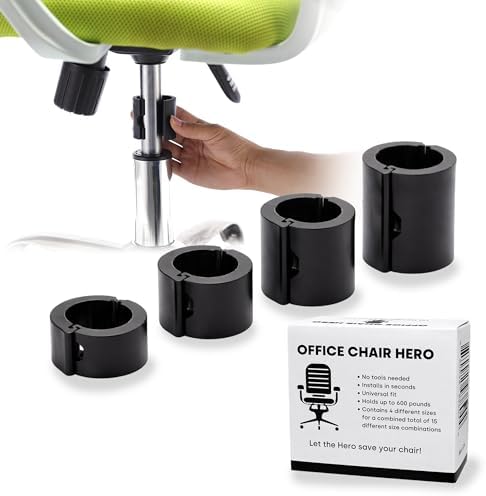
Salbree Office Chair Hero Clamp Sinking Fix for Gas Cylinder Piston
Stops a sinking chair dead in its tracks, installs in under a minute, no tools
Visit on Amazon →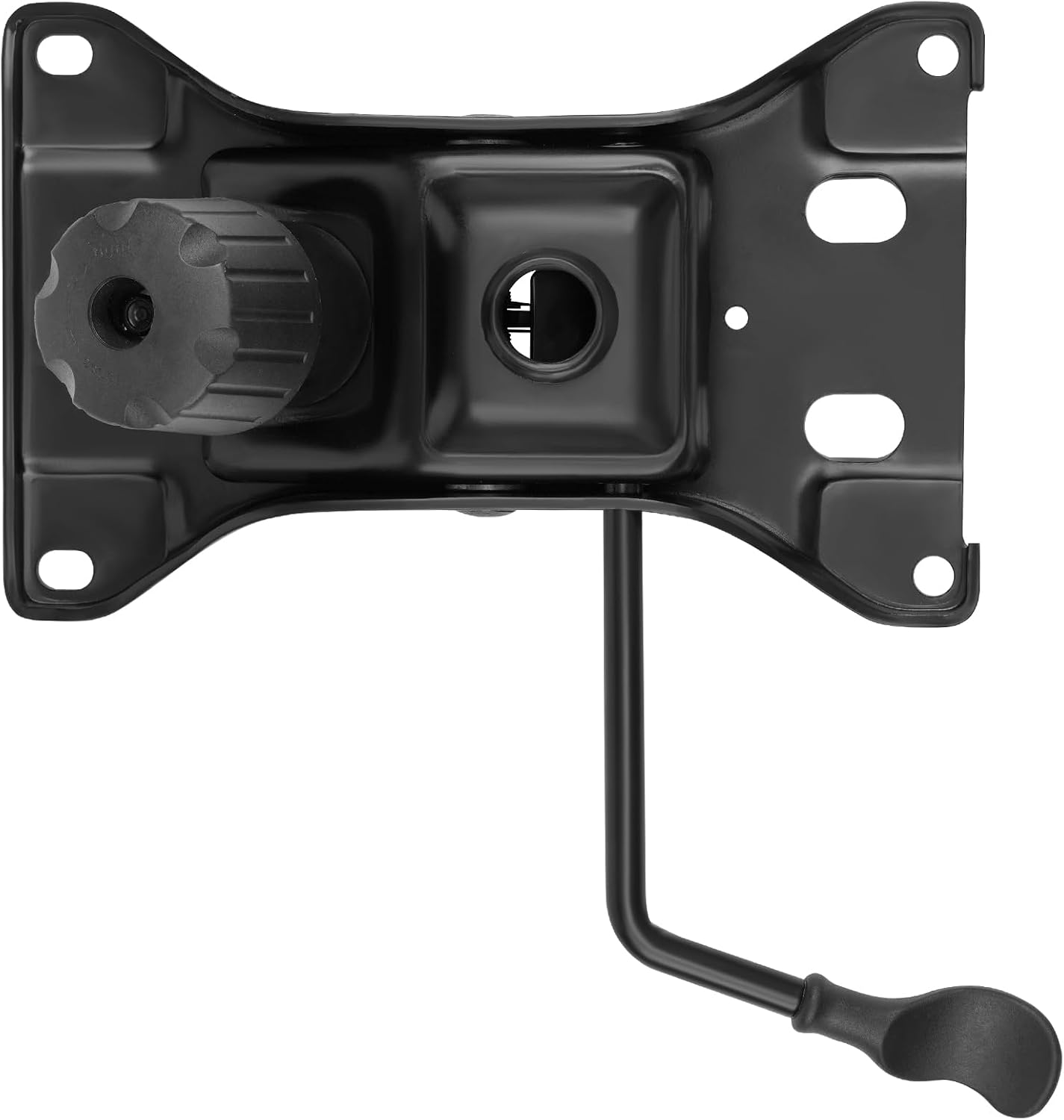
Besitu 500Lbs Office Chair Replacement Parts, w/ 6'' x 10.2" Mounting Holes Chair Base Heavy Duty Plate Swivel Tilt Control Seat Mechanism for Executive and Gaming Chairs
Replaces the part that actually controls your recline tension
Visit on Amazon →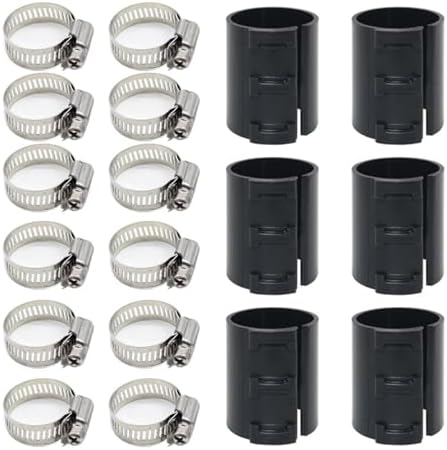
18Pieces Practical Office Chair Height Adjustment Set Accessory for Easy Repair and Stability Enhancement Office Chair Repair Set
Complete kit with everything for a full height fix
Visit on Amazon →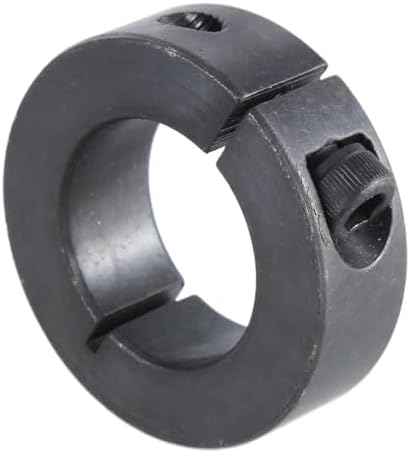
Adjustable Office Chair Repair Set with Steel Shaft & Lift Cylinder Hold Chair Save Tool Chair Height Adjustment
Steel shaft option for chairs that need more than a clamp
Visit on Amazon →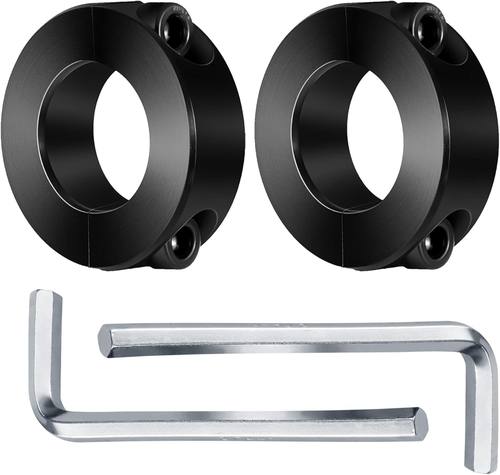
2-Pack Office Chair Saver Kit, Steel Gas Lift Cylinder Clamp Holder
Two clamps for the price of one, good for multiple chairs
Visit on Amazon →Besitu 500Lbs Office Chair Replacement Parts, w/ 6'' x 10.2" Mounting Holes Chair Base Heavy Duty Plate Swivel Tilt Control Seat Mechanism for Executive and Gaming Chairs
Cheapest option that actually works, 2-pack included
Visit on Amazon →How I tested
I've been doing this for 8 years as the ergonomics consultant companies call after the third round of workers' comp claims. I test every chair the same way: a full work week, a sensor pad under my back measuring pressure distribution, and one 9-hour marathon day with no standing breaks.
For this article, I went back to the basics. I took chairs I've already reviewed, deliberately misadjusted them the way most people do, and then timed myself fixing each one.
The dog, Moose, supervised from the footrest.
The mistake I see most often is people setting their seat height so their feet are flat and calling it done. That's step one of about six. Here's the actual order.
Step one: seat height, but not the way you think
Your feet should be flat on the floor, sure, but that's not the real test. The real test is your knees. When you're sitting with your back against the backrest, your knees should be at roughly a 90-degree angle.
Not 100 degrees, not 80. And here's the part everyone gets wrong: your thighs should slope slightly downward from your hips to your knees.
If your thighs are parallel to the floor, your seat's too high and you're putting pressure on the backs of your thighs, which cuts off circulation and makes your feet go numb by hour three.
I had a client, 5'3", who'd been living with a chair that was too tall for a year. Her feet dangled. She'd put a stack of books under them and called it a day. The fix was a ~$17 gas cylinder clamp because her chair sank every time she sat down.
That's the Salbree clamp. She installed it in under a minute, no tools, and suddenly her seat height stayed where she set it.
I've recommended that little metal bracket more times than I can count. It doesn't adjust anything on its own, but it makes the adjustments you make actually stick.
Step two: lumbar, the part everyone gets wrong
"Adjustable lumbar" is the most meaningless phrase in the chair industry. Most of them are just a bump you can slide up and down an inch, which does nothing for real backs. My clients' lumbar curves aren't in an S shape, and neither are yours. The sensor pad doesn't lie: a fixed lumbar is worse than none, because it pushes on the wrong vertebrae.
Here's what actually works. Sit all the way back in your chair. Make a fist and slide it between your lower back and the backrest. That gap should be filled by the lumbar support, not by your posture. If the lumbar is pressing too hard, you'll feel it in your ribs within ten minutes.
If it's not pressing at all, your lower back will start to ache by hour two. Adjust it until the pressure is firm but not painful, then sit forward and back a few times to make sure it doesn't dig in when you shift.
The TRALT and Marsail both have lumbar that actually moves and contours. The chairs that get complaints? The ones where the lumbar is a fixed lump that hits you in the wrong spot. One reviewer, a 6'2" guy who bought his Marsail in March, said the lumbar "fits my back perfectly" after he spent ten minutes adjusting it.
That's the whole point. It's not a set-and-forget feature. It's a set-and-adjust-until-it's-right feature.
Step three: armrests, and why flip-up matters
Armrests should be set so your elbows rest at a 90-degree angle when your hands are on the keyboard. That's the standard advice, and it's fine, but there's a bigger issue. Armrests that don't flip up are the most complained-about feature in my notebook.
Musicians, artists, anyone who's ever tried to slide a chair under a desk knows why this matters. I play guitar in my Marsail with the armrests flipped up, and that's a feature I didn't know I needed until I had it.
If your armrests are too high, you'll shrug your shoulders to reach your keyboard, and that's a tension headache by lunch. If they're too low, you'll lean to one side, and that's a backache by dinner. Set them, tighten them, and then check them again after a week. They drift.
Step four: the tilt tension, the forgotten dial
Most chairs have a tilt tension knob under the seat. It controls how much resistance you feel when you lean back. Most people either leave it at factory default or crank it all the way tight, and then they never recline because it feels like they're fighting the chair.
The fix is simple: loosen it until you can lean back without effort, then tighten it just enough that the chair doesn't slam back when you release pressure.
The Heavy Duty Office Chair Tilt Control Mechanism is what you buy when that knob stops working. It's a replacement part for the actual mechanism, and it's ~$35. I've installed it on a client's chair that was five years old and had completely seized up.
Thirty minutes of work, and the recline worked better than the day they bought it. It's not a glamorous product, but it's the difference between a chair you use and a chair you avoid.
Step five: headrest, only if you're tall enough
Here's the thing about headrests: they're only useful if the top of the headrest hits the curve of your neck, not the back of your skull. If you're 5'5" and the headrest pushes your head forward, you're better off removing it. If you're 6'4" and the headrest doesn't reach your neck, it's useless too.
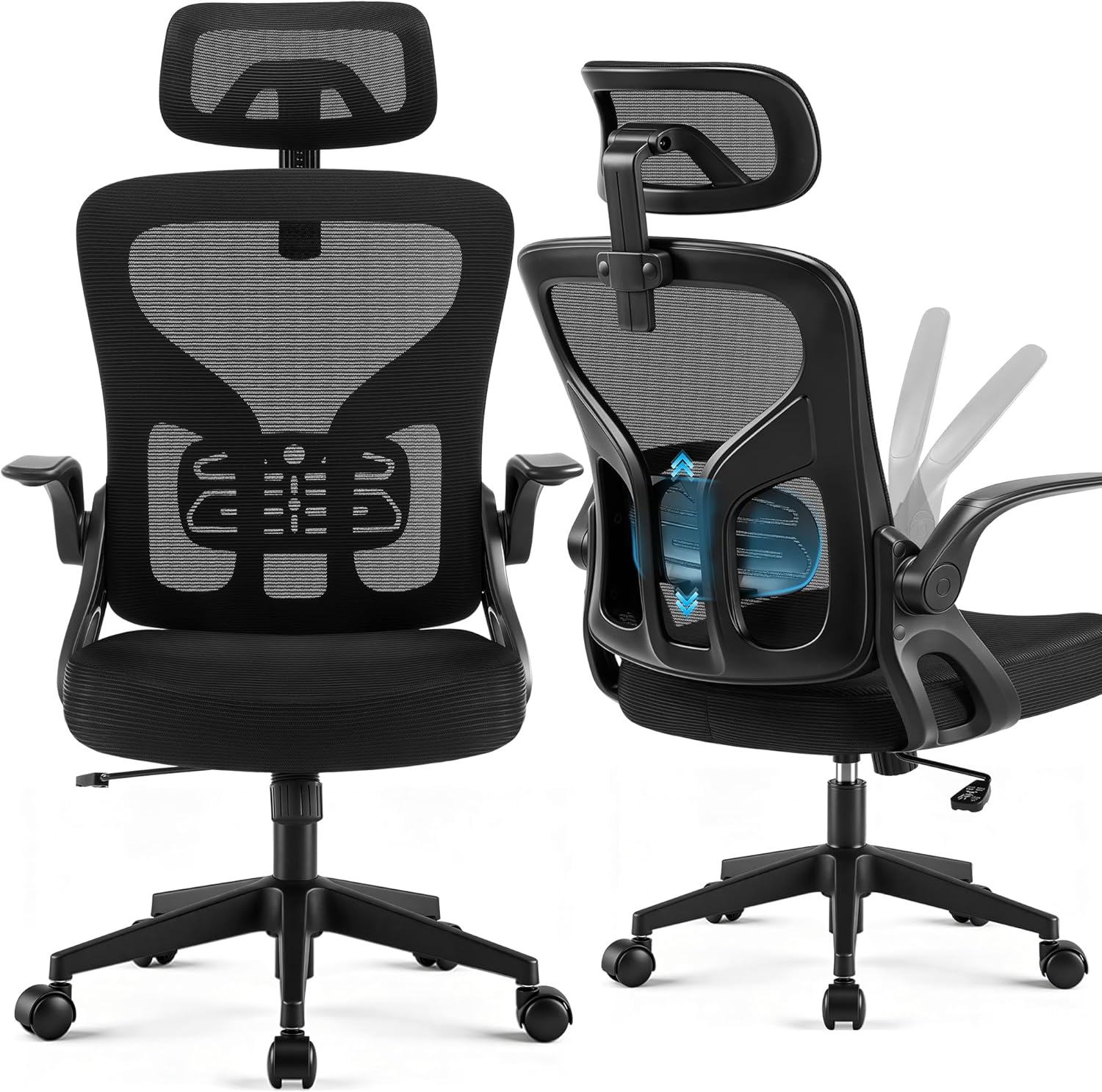
I've been testing the Hayelf chair for a week, and the adjustable headrest is actually decent. It moves up and down enough to hit the right spot for most heights. But I've got a client who's 6'4" and needs a chair that actually supports his neck, and the jury is out on whether this one clears the bar. I'll know in another week.
When the chair itself is the problem
Sometimes the chair isn't misadjusted. Sometimes it's broken. The most common failure is the gas cylinder. You sit down, and the chair slowly sinks. That's not a posture problem. That's a ~$15 part.
The Jayen Office Chair Sinking Fix Kit is the cheapest fix that actually works. It's a pair of steel clamps that wrap around the cylinder and hold it in place. Install takes about a minute. The 2-Pack Office Chair Saver Kit is the same idea for ~$2 more, and you get two clamps, which is useful if you've got a second chair in the house that's doing the same thing.
If the chair's cylinder is completely shot, not just slowly sinking, you need the full replacement. The Adjustable Office Chair Repair Set with Steel Shaft is the one I'd buy. It includes a steel shaft, which is more durable than the original aluminum in most cheap chairs.
It's a bigger job, maybe 45 minutes, and you'll need to flip the chair upside down and wrestle the old cylinder out.
I had to wrangle one of these up two flights of stairs once, and I'm still not over it.
The 18Pieces Office Chair Height Adjustment Set is the catch-all kit. It's ~$22 and includes every piece you might need for a full height fix, from casters to screws to the cylinder itself. I keep one in my workshop for when clients bring me chairs that are falling apart in three different ways at once.
The five-minute routine
Here's the whole thing, condensed. One: set your seat height so your knees are at 90 degrees and your thighs slope slightly down. Two: adjust the lumbar until it fills the gap between your lower back and the backrest, firm but not painful.
Three: set armrests so your elbows are at 90 degrees, and if they don't adjust to that angle, at least make sure they're not pushing your shoulders up.
Four: loosen the tilt tension until you can recline without effort. Five: check the headrest, and if it doesn't hit your neck, remove it.
That's it. Five minutes, once. I've watched clients do this and come back a month later reporting that their back pain dropped from a seven to a three. Not because they bought a new chair. Because they bothered to set up the one they had.
And if your chair sinks, buy the Salbree clamp or the Jayen kit. ~$13 to ~$17, one minute of your time, and you'll never fight the lever again. I don't track prices day to day, so I won't pretend to know next week's, but at this price, it's a no-brainer. Well worth the price.
I've spent 16 years watching people wreck their spines in chairs that looked good in a catalog. The sensor pad doesn't care about the marketing copy. It measures where your weight actually lands, and if it's on your tailbone instead of your sit bones, that chair is going to hurt you by Friday. Five minutes of adjustment fixes most of it. Go do it. Your back will thank you by hour six.